
Numerous PSAs inform us that distracted driving is bad, something we all know, yet continue to practice. It’s hard for us to sit through even a half-hour TV show without checking our phones numerous times. The embarrassingly messed up  Best Picture Award announcement at the 2017 Academy Awards was blamed on an accountant distracted by a tweet.  Children whose parents pay more attention to their mobile phones are acting out to get the attention they need.  We’re failing at paying attention in ways that are inevitably making our lives worse.
Too many of us believe in the fallacy that multitasking makes us more productive and effective. We know better, but we’ve all become experts at distracting ourselves. It’s hard to sit quietly and wait for an appointment, accompanied by nothing but our own thoughts, without checking our phones. When I’m on a deadline, or working on a client or writing project I do manage to shut everything else out. I need to. I know that the results are far better when my total attention is focused. I don’t take calls or look at texts; I don’t stop to check social media sites. I just write. Sometimes I even disconnect from wifi so I’m not tempted to take a little break. It works.
Over the weekend, there was a popup, sudden, severe storm that caused a power surge at my home. The modem failed and since Saturday, our home has been internet-free while we wait for the replacement to be shipped and installed.
It’s been surprisingly freeing.
Work has happened just in the office or at meetings. Entertainment is in interaction with one another or reading books. It’s so tempting to continue internet-free at home for longer, to see if we can resume better habits of paying attention, of focusing on one another or on the tasks at hand. I keep seeing evidence of distraction hurting people around me. I think it’s important to take stock of how distracted we are, and how much we’re allowing distraction to happen, before we lose what matters to us.
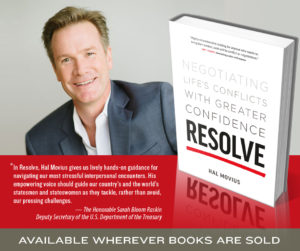 Negotiation expert Hal Movius published a book,
  Our work in public relations and social media strategy sometimes intersects with fundraising efforts, as it did this week when Legal Aid Justice Center launched a crowdfunding effort through CrowdJustice, a platform designed to raise funds specifically to support legal cases. Â We think legal help should be available to anyone who needs it, and CrowdJustice was established on that premise. The case Legal Aid is asking to support is
 If you’re inspired to give to
  Seasoned PR people and journalists know what makes something news, and what doesn’t. We all hate to see any kind of brand or organization wasting time spinning its wheels pitching news that isn’t newsworthy. What makes something news? Check it against these eight standard news values:
 education to help people save, clean up their credit scores, and purchase a home. They do their homework and connect people with sources to get mortgage assistance or subsidies. They purchase, renovate, and build properties to help shrink the affordable housing gap in our community. Currently, they’re working on the redevelopment of a big community called Friendship Court, a 12-block, 150 unit, Section 8 subsidized housing development in the heart of downtown Charlottesville.